
Smartphone Buying Priorities to Watch Over the Coming Months
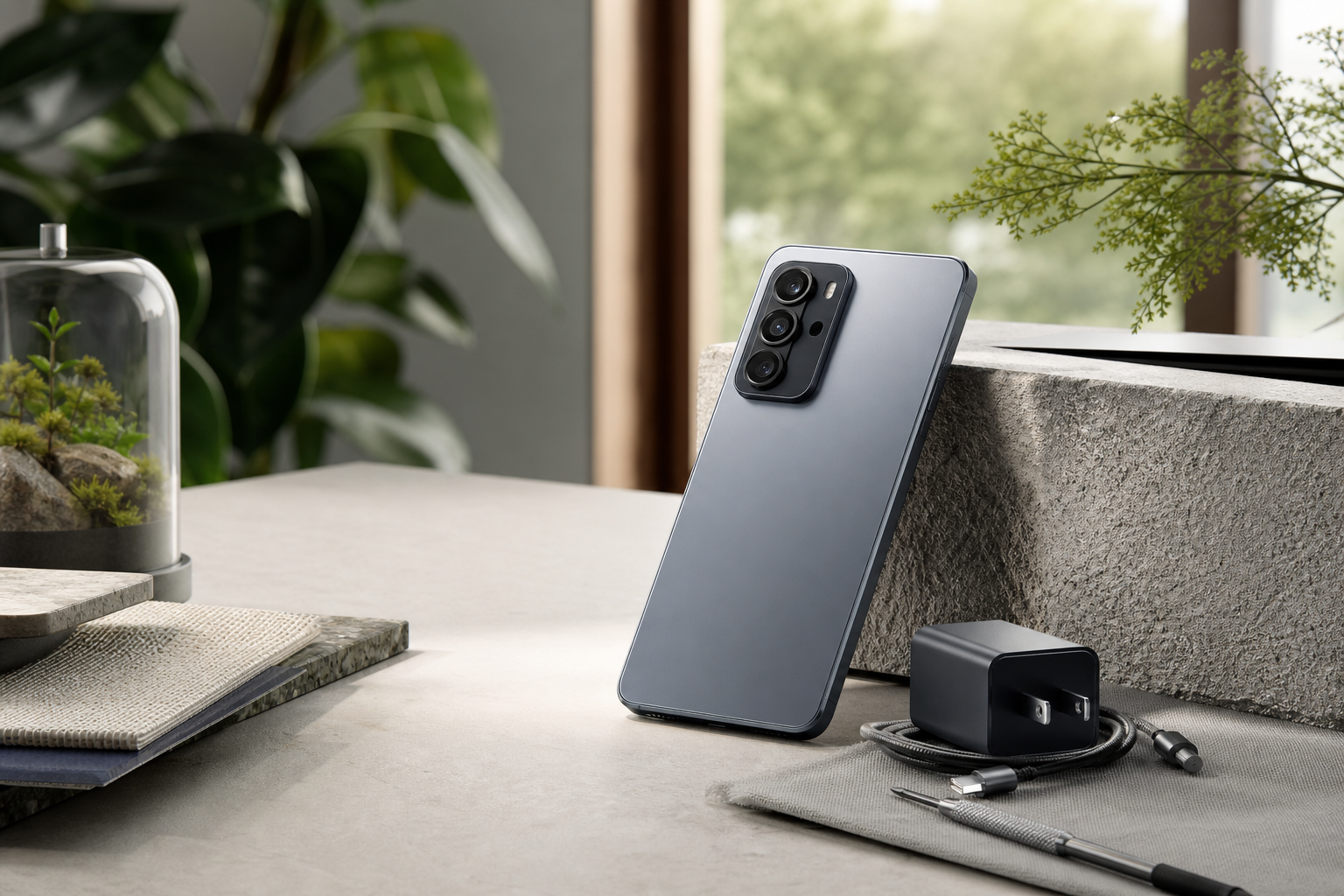
Smartphone buying priorities is worth understanding before your next technology purchase. Smartphone shopping is becoming less about finding the biggest specification and more about choosing a device that will remain useful for longer. Across the market, shoppers are paying closer attention to software support, battery durability, camera consistency, repair options and the quality of everyday features.
That shift matters because modern phones are already fast enough for most routine tasks. Messaging, streaming, photography, navigation and mobile payments rarely require a top-tier processor. The more useful questions are now about how well a phone ages, how reliably it performs in ordinary conditions and whether its premium features make a noticeable difference.
Looking ahead over the coming months, these are the smartphone priorities most worth watching.
Longer software support will influence more buying decisions
A phone’s useful life is no longer defined only by its battery or physical condition. Security updates, operating-system upgrades and continued app compatibility increasingly determine how long a device remains sensible to keep.
Shoppers are therefore likely to compare update policies more carefully before buying. A lower-priced phone can look attractive initially, but a shorter support period may make it less convincing over several years. Conversely, a phone with dependable long-term support can offer better value even when its purchase price is higher.
When comparing models, check:
- How many years of security updates are promised
- How many major operating-system upgrades are included
- Whether the policy applies to the exact model and region
- How quickly updates have historically reached the manufacturer’s phones
Support commitments are not exciting specifications, but they are among the clearest indicators of ownership value. They also make refurbished and used phones easier to assess, provided the remaining update period is clear.
Battery longevity matters more than a headline capacity
Battery life remains a major reason people replace phones, but capacity alone does not tell the full story. Screen brightness, processor efficiency, network conditions, camera use and software optimisation all affect how long a device lasts between charges.
The next phase of smartphone comparison is likely to place more emphasis on battery durability: how well the battery retains capacity over time, whether charging controls can reduce long-term wear and how easy it is to replace the battery when needed.
Fast charging will continue to appeal to shoppers, particularly those who often need a quick top-up. However, charging speed should be considered alongside charger availability, heat management and the convenience of wireless charging where relevant. A slightly slower system may be preferable if it supports a more predictable ownership experience.
For buyers who keep phones for several years, a replaceable battery or a clearly documented repair programme may ultimately matter more than the fastest charging figure.
Camera consistency is becoming more important than camera count
Camera specifications can make phones look very different on paper, but the number of lenses does not guarantee better photographs. Shoppers increasingly need to consider how consistently a phone handles changing light, moving subjects, skin tones, video and switching between lenses.
Useful camera priorities to watch include:
- Reliable results from the main camera in daylight and low light
- Natural processing rather than excessive sharpening or artificial colour
- Consistent colour and exposure between different cameras
- Stable video recording with clear audio
- Fast capture that does not miss moving subjects
Computational photography will remain a major part of the experience. Automated editing, object removal, improved night photography and better portrait separation can be helpful, but shoppers should treat them as tools rather than substitutes for good image quality. Features that depend on a paid subscription or online processing also deserve closer scrutiny.
On-device intelligence will be judged by usefulness
Smartphone makers are continuing to add software features that summarise information, edit images, translate conversations, transcribe recordings or assist with writing. The important buying question is shifting from whether a phone includes these tools to whether they are useful, private and available in the buyer’s language and region.
On-device processing can offer practical advantages, including reduced reliance on an internet connection and greater control over personal information. Cloud-based functions may provide more capability, but they can depend on connectivity, account access or changing service terms.
Before treating these features as a reason to upgrade, shoppers should check:
- Which functions work offline
- Whether features are included or require a subscription
- What languages and regions are supported
- How easily automated results can be checked and corrected
- Whether the tools fit normal routines rather than occasional demonstrations
Useful software can improve a phone’s everyday value, but novelty should not outweigh battery life, reliability or long-term support.
Durability and repairability will carry more weight
People are keeping phones for longer, making physical durability a more important part of the buying decision. Water and dust resistance, scratch-resistant glass and a sturdy frame can reduce the chance of an expensive repair, although no rating makes a phone indestructible.
Repairability is also becoming easier to compare. Availability of replacement batteries, screens and charging ports, along with the presence of authorised repair services, can affect the true cost of ownership. A protective case and screen protector remain worthwhile purchases, especially for large phones with expensive displays.
Shoppers should also look beyond general sustainability claims. More useful questions include whether spare parts are available, how long repairs are supported and whether common components can be replaced without excessive cost or complexity.
Displays will focus on comfort as well as visual impact
Large, bright displays remain popular, but display quality is not only about resolution or peak brightness. Many buyers will benefit more from a smooth adaptive refresh rate, good outdoor visibility, accurate colour and comfortable dimming at night.
Screen size is a personal trade-off. A larger display helps with video, reading and split-screen tasks, while a smaller or lighter phone can be easier to carry and use one-handed. Foldable designs may continue to attract shoppers who want a larger screen in a compact form, but hinge durability, crease visibility, software support and repair costs remain important considerations.
When comparing displays, consider how the phone will be used most often rather than selecting the most impressive specification. Comfort during long reading sessions and practical handling can matter more than a small difference in resolution.
Connectivity and storage can prevent avoidable compromises
Modern phones are increasingly expected to support fast mobile networks, dependable Wi-Fi and seamless connections to accessories. The value of these features depends on the buyer’s network, location and existing devices, so compatibility deserves attention before purchase.
Storage is another area where a modest upgrade can make a phone more convenient over time. High-resolution photos, video, offline downloads and large apps can quickly consume space. Buyers should check whether storage can be expanded and whether the advertised capacity leaves enough room after the operating system is installed.
Other practical details can include dual-SIM support, eSIM compatibility, USB transfer speeds, NFC for payments and the quality of the phone’s speakers and microphones. None is likely to dominate a product launch, but each can influence daily satisfaction.
Value will be measured across the whole ownership period
Price remains central, but shoppers are increasingly comparing the total cost of keeping a phone rather than just the checkout figure. A lower-priced model may need an earlier replacement, while an expensive device may retain value better or receive support for longer.
A useful comparison should include:
- Purchase price and any included accessories
- Expected software-support period
- Battery and screen replacement costs
- Storage capacity and connectivity features
- Trade-in or resale prospects
- Whether essential features require subscriptions
Discounts can make older models especially attractive, provided they still offer enough update support and have not been replaced by a substantially better generation. A phone does not need to be the newest option to be a good buy; it needs to match the buyer’s priorities and expected ownership period.
What shoppers should prioritise first
The best buying checklist depends on personal use, but a sensible order is to start with longevity and reliability. Confirm software support, battery expectations, durability and camera performance before spending extra on specialist features.
Then consider the details that shape everyday convenience: screen size, weight, storage, charging, connectivity and biometric security. Only after those basics are covered should features such as advanced camera modes, foldable screens or automated software tools decide the shortlist.
The outlook for smartphone buyers
Smartphone progress over the coming months is likely to be measured less by dramatic changes and more by refinement. Better support policies, more efficient batteries, steadier cameras, smarter software and more repair-conscious design could make phones more useful without changing how they look.
For shoppers, that means the strongest buying decision may not be the model with the most ambitious specification. It is the phone that delivers dependable performance, useful features and manageable ownership costs for the longest period. Comparing those fundamentals will help separate meaningful improvements from features that merely sound impressive.
Explore more technology reviews, comparisons and buying guides on Compare2Shop.