
Smartwatch Features Buyers Should Watch Next
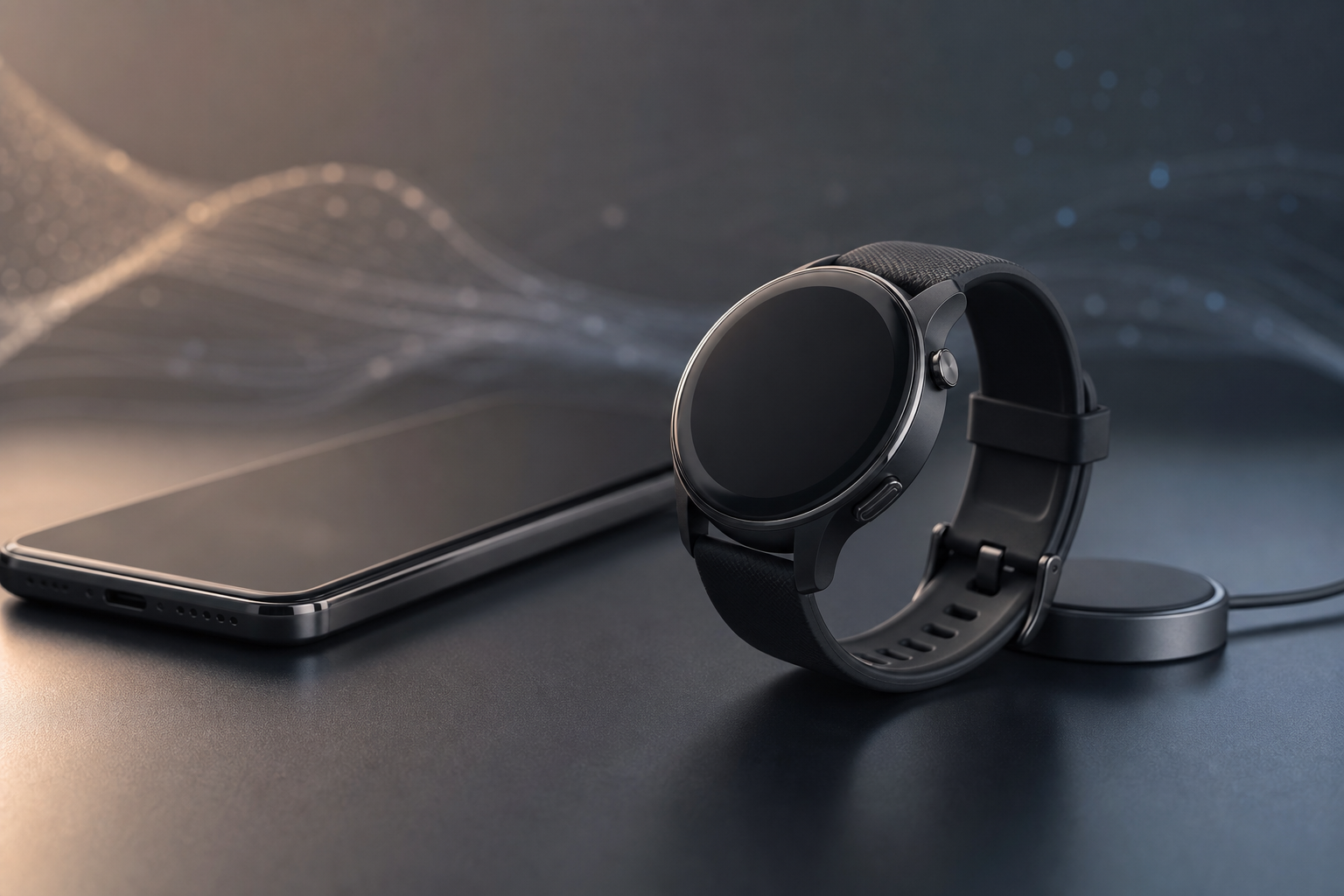
Smartwatch features to watch is worth understanding before your next technology purchase. Smartwatches have matured from phone companions into everyday devices for notifications, payments, navigation, exercise tracking and timekeeping. That makes the next stage of the category less about adding features for their own sake and more about making familiar functions work reliably with less friction.
For shoppers, the most important developments to watch are likely to be practical: longer battery life, displays that remain easy to read without wasting power, better support across phones, more capable sensors and software that fits naturally into daily routines. These improvements may not always look dramatic on a specification sheet, but they can make a much bigger difference after weeks or months of use.
Battery life is becoming a buying priority
Battery life remains one of the clearest dividing lines between smartwatch categories. A watch that needs charging every day can still suit someone who follows a regular routine, but it is less convenient for overnight wear, travel or long periods away from a charger. As more buyers use watches across the whole day and night, endurance is likely to become an even stronger part of the purchasing decision.
Future progress is unlikely to come from battery capacity alone. Manufacturers can improve endurance through more efficient processors, displays that use less energy, smarter background activity and charging systems that reduce the inconvenience of topping up. Buyers should look beyond a single advertised figure and consider how the watch behaves with features such as an always-on display, GPS, cellular connectivity and frequent notifications enabled.
What to check before buying
- Whether the stated battery estimate applies to your intended configuration.
- How quickly the watch can recover useful charge during a short top-up.
- Whether the charging system is proprietary and how easy it is to replace.
- How much endurance changes when using GPS, cellular features or an always-on display.
- Whether the watch can track sleep or other overnight routines without requiring a daily charge.
Fast charging will matter too, but it should complement—not disguise—weak endurance. The most appealing watches will make charging flexible enough that users do not have to plan their day around it.
Display quality will be about readability and efficiency
Watch displays are small, but they have an outsized effect on usability. Brightness, contrast, viewing angles, touch response and outdoor readability can determine whether a watch feels convenient or frustrating. The category is likely to continue balancing richer colour and sharper interfaces with the need to preserve battery life.
High-quality OLED panels are already common across much of the market, while always-on modes have made glanceable information more useful. The next priorities are likely to include better automatic brightness control, more efficient refresh behaviour and screens that remain readable in strong daylight without constantly running at maximum power. Improved protection against scratches and impacts could also matter to shoppers who wear a watch during work, commuting or exercise.
Screen shape and size remain personal choices. A larger display can make messages, maps and menus easier to read, but it may be less comfortable on smaller wrists. A compact watch can feel less intrusive while sacrificing some information at a glance. Buyers should consider the content they actually expect to view rather than treating screen size as a simple upgrade.
Phone compatibility should become clearer
Compatibility is one of the most important smartwatch decisions, yet it is often reduced to a simple question: does the watch work with my phone? In practice, support can vary considerably. A watch may pair successfully while limiting replies, apps, payments, health-related summaries or setup options depending on the phone platform.
Shoppers should expect compatibility to remain a major area of differentiation. Some watches will continue to offer their fullest experience within a particular phone ecosystem, while others will focus on broader support. The useful direction is greater transparency: clearer explanations of which features work across platforms and which require a specific operating system.
Compatibility questions worth asking
- Can the watch be paired with your exact phone operating system and version?
- Can you reply to messages, manage calls and receive app notifications?
- Are payments, voice features and navigation available on your phone?
- Will key watch functions still work if you change phones later?
- Does the watch require a separate account, subscription or companion app?
Cross-platform support could become more valuable as households use a mixture of phones, tablets and computers. For buyers who change phones regularly, flexibility may be worth more than a tightly integrated feature set.
Sensors will become more useful when they create context
Smartwatches already use combinations of motion, location, light and other sensors to support activity tracking and everyday functions. The next step is likely to be better interpretation rather than simply adding more sensors. A useful watch should turn sensor data into understandable information without overwhelming the wearer with charts or alerts.
For shoppers, this means looking at the quality of the supporting software as closely as the hardware. Does the watch distinguish between different activities? Does it explain trends clearly? Can data be viewed on the watch as well as in the phone app? Are settings easy to control?
Sensor features should be treated as general wellness and activity tools, not substitutes for professional advice or clinical equipment. Buyers should also check whether advanced tracking is available in their region, whether it requires a subscription and how much it affects battery life.
Sensor trends to watch
- More consistent motion tracking across everyday activities.
- Improved location performance with less impact on battery endurance.
- Better automatic recognition of routines and workouts.
- More useful environmental sensing for brightness, temperature or location-aware functions.
- Clearer controls for deciding which measurements are collected and shared.
Privacy will be part of this conversation. As watches collect more personal and location-related data, shoppers should look for straightforward permission controls, account security and clear data-management options.
Everyday usability will separate good watches from busy ones
A smartwatch can have an impressive feature list and still be difficult to live with. Menus that take too many taps, unreliable notifications, uncomfortable straps or a poor charging routine can undermine the entire experience. The category’s most meaningful progress may therefore come through refinement.
Software should make common tasks quick: checking a calendar reminder, paying for something, changing music, following directions or dismissing a notification. Voice input, physical buttons and gesture controls may all have a place, particularly when touchscreens are inconvenient. Stronger customisation can also help users remove unnecessary information from the watch face and keep important actions close at hand.
Comfort deserves equal attention. Weight, case thickness, strap design and skin contact all affect whether people keep wearing a watch. Buyers should check strap availability, replacement options and the fit of the case rather than focusing only on screen features.
Durability and repairability deserve more attention
As smartwatches become more central to daily routines, durability is likely to carry greater weight. Water resistance, screen protection and resistance to everyday knocks are useful, but shoppers should read the conditions carefully. Water resistance does not make every watch suitable for every environment, and seals can be affected by age or damage.
Long-term value also depends on software support, battery service options and accessory availability. A watch that remains useful through several phone upgrades may offer better value than one with more features but a shorter practical lifespan. Buyers should consider how long the manufacturer typically supports the device and whether replacement straps and chargers are easy to obtain.
How to prioritise the next smartwatch features
The best choice will depend on how the watch fits your routine. A shopper who mainly wants notifications and timekeeping may value comfort, battery life and compatibility above advanced sensors. Someone who uses navigation, exercise tracking and music controls may prioritise display quality, GPS performance and quick charging.
- For low-maintenance use: prioritise battery life, reliable notifications and a comfortable design.
- For active routines: compare GPS behaviour, sensor features, water resistance and strap options.
- For travel: look at charging speed, offline functions, navigation and phone independence.
- For mixed-device households: check cross-platform support before comparing headline specifications.
- For long-term value: consider software support, repair options and accessory availability.
The practical outlook for smartwatch shoppers
The next important smartwatch improvements are likely to be measured in fewer interruptions and more dependable daily use. Battery life, efficient displays, clear phone compatibility, better sensor interpretation and comfortable software will matter more than a long list of rarely used functions.
When comparing watches, start with the routine you want to support. Check how often you are willing to charge, which phone features must work, how much information you want on your wrist and whether you need the watch to stay useful for several years. Those questions will help separate meaningful progress from specifications that look impressive but add little to everyday life.
Explore more technology reviews, comparisons and buying guides on Compare2Shop.